By Moses Bulamu
Take a good look at your closet! Do you have a red shirt, a red tee, or maybe some red socks? In Uganda, colors can have a double meaning, often carrying a political tone that can be easily misinterpreted. But let’s talk about the psychology of colors and how they impact our mental health.
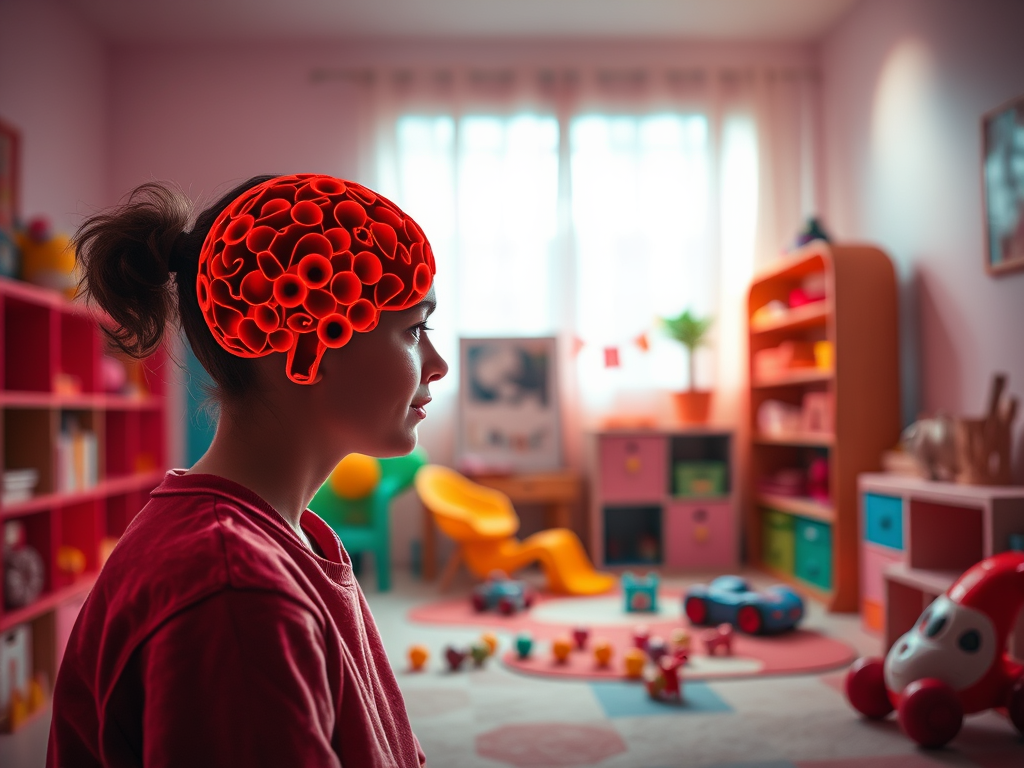
Colors play a significant role in influencing our emotions, behaviors, and mental well-being. Research has shown that different colors can evoke various emotional responses. As a father, I noticed my kids were drawn to certain colors – my little ones loved red toy cars almost as much as they loved watermelon! When we started a preschool, we painted one room a soft red, and it became a favorite spot for the kids.
Now, let’s focus on the color red. Red is associated with love, passion, and energy, but it can also provoke feelings of aggression and agitation. Experts say red can release held-up emotions and promote emotional expression. Imagine wearing a nice red cotton shirt on a date! Red is also believed to boost motivation, confidence, and passion. If you’re feeling low on energy, red might just be the kick-start you need.
However, experts warn that red might not be suitable for everyone, especially those prone to anxiety and stress. There’s a science behind color psychology – when light enters our eyes, it stimulates the hypothalamus, regulating hormones and influencing our mood and behavior.
Color therapy, or chromotherapy, uses colors to balance energy and enhance well-being. Next time you’re watching your favorite football team, notice their colors. That friend with a red car? Maybe they’re onto something! Incorporating colors into our daily routine can impact our mood and emotional well-being.


Leave a comment