By Moses Bulamu
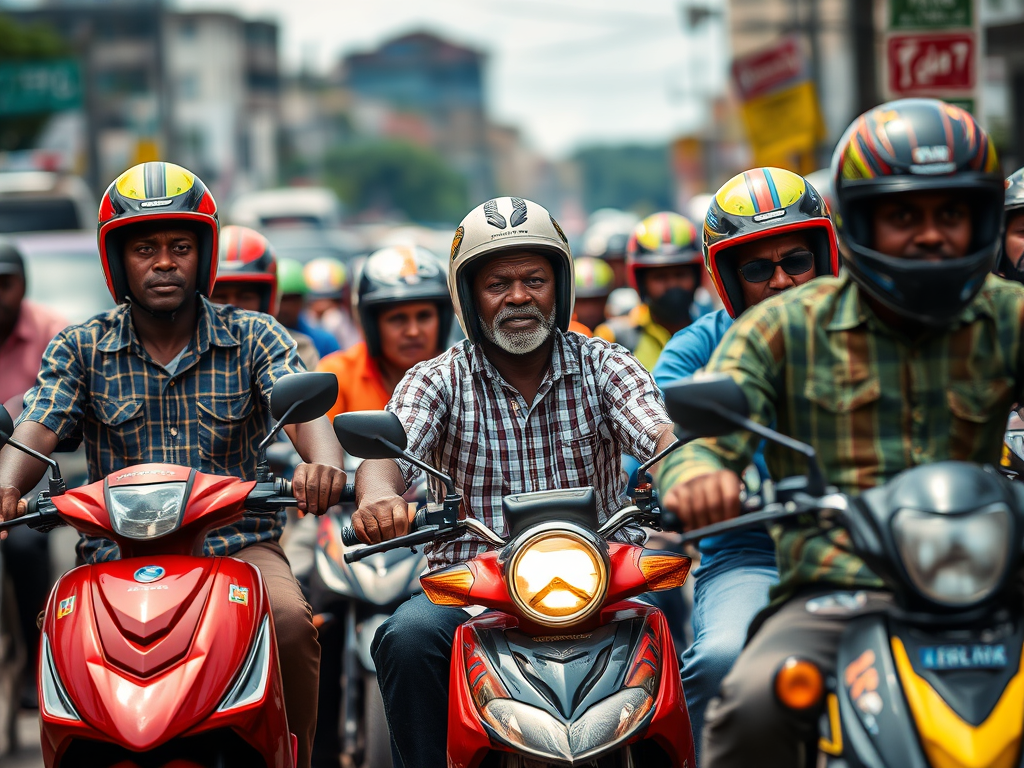
The AI preview in Uganda has “boda boda” as a reference to motorcycle taxis, also known as motorcycle-based public transport, that are a common and sometimes essential mode of transportation in urban areas like Kampala. The term originally applied to bicycle taxis and then transitioned to motorcycles as they became more prevalent.
And in the way of language and culture, the term has acquired extended and even gender meaning? What name is given to that girl who carries food from her cooking point to different ‘offices’? Or that sex worker who moves from one ‘client’ to another? Boda bodas are popular for navigating congested city streets and reaching areas with limited vehicle access. That navigation comes with a curse from other road users, a verbal abuse and a social detachment.
Boda boda riders are a common sight on Uganda’s roads, providing a vital transportation service to millions of people. However, beneath their war-like look and cheerful demeanor, many riders struggle with mental health issues that can have serious consequences for their circumstances.
Boda boda riding is a high-stress occupation that exposes riders to a range of physical and emotional challenges. From chaotic traffic and aggressive passengers to the constant threat of accidents and harassment by law enforcement, riders face a unique set of pressures that can take a toll on their mental health.
The stress and trauma associated with boda boda riding can lead to a range of mental health issues, including anxiety, depression, and post-traumatic stress disorder (PTSD). Riders may experience symptoms such as irritability, mood swings, and difficulty sleeping, which can affect their relationships with family and friends and impact their ability to work.
A recent study found that 70% of boda boda riders in Uganda experience symptoms of anxiety and depression, 40% report experiencing PTSD symptoms due to traumatic events on the road, and 60% of riders report difficulty sleeping due to stress and anxiety. These statistics are alarming, and the reality is even more nuanced. Many riders suffer in silence, fearing judgment or ostracism from their communities.
Personal Testimonies
“I’ve been riding for five years, and I’ve seen some terrible accidents. Sometimes I wake up in the middle of the night, reliving those moments. It’s hard to shake off the feeling of guilt and responsibility.” – Ronald, 28.
“I used to love riding, but now it’s just a source of stress. The traffic, the passengers, the police… it’s all so overwhelming. Sometimes I feel like I’m losing my mind.” – David, 32.
“I’ve been harassed by police so many times. They accuse me of being a thief or a troublemaker. It’s humiliating and frustrating. Sometimes I wonder if it’s all worth it.” – Musa, 25.
The silence around men’s mental health in Uganda, particularly among boda boda riders, should turn into a loud voice. By acknowledging the challenges they face and providing support and resources, we can help riders prioritize their mental health and well-being. Is it possible that boda boda riders can get mental health training and education? Is it possible to get riders access to counseling services? Is it possible to create peer support groups for boda boda riders?
Can these possibilities turn an ugly situation into a manageable delight? It’s a joint effort by society, police, and civil organizations, plus those directly connected, to help boda boda riders prioritize their mental health and well-being, ensuring they can continue to provide a vital service to their communities while living healthy, fulfilling lives.

Leave a comment